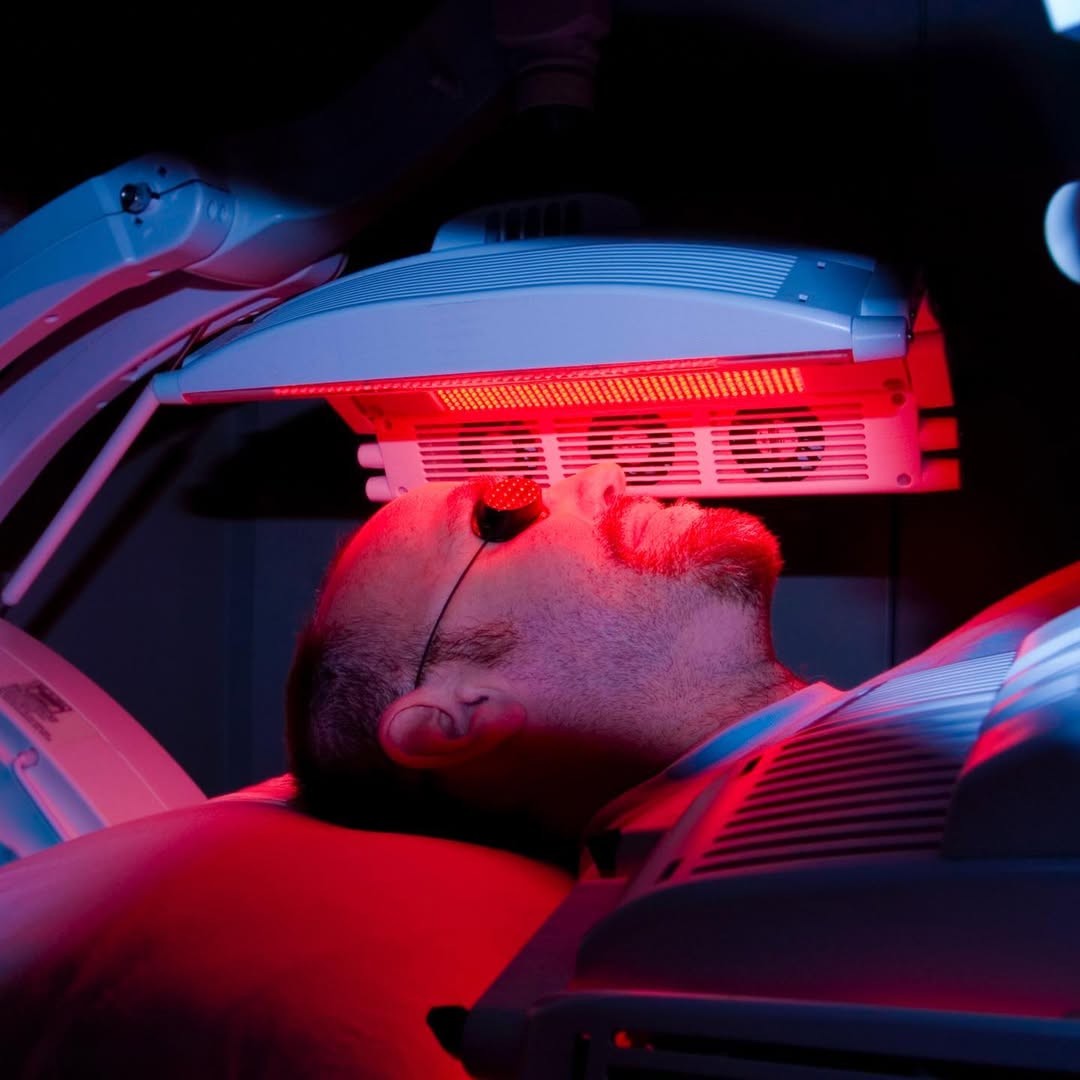
Red light therapy, also known as low-level laser therapy or photobiomodulation, has gained popularity in recent years for its potential benefits in aiding muscle recovery. This non-invasive treatment involves exposure to red and near-infrared light wavelengths, which have been shown to stimulate cellular repair and regeneration, reduce inflammation, and improve circulation.
Many athletes and fitness enthusiasts have turned to red light therapy as a natural alternative to traditional methods of muscle recovery, such as ice baths or over-the-counter pain medications. In this article, we will explore the science behind red light therapy for muscle recovery, its potential benefits, and how it can be incorporated into a post-workout routine to optimize performance and reduce muscle soreness.
The Science Behind Red Light Therapy
Red light therapy works by penetrating the skin and being absorbed by cells, where it helps to kickstart the production of ATP (adenosine triphosphate), which is the energy source for cellular activities. This increase in energy production promotes healing and repair processes within the muscle tissue. Additionally, red and near-infrared light wavelengths have been found to reduce oxidative stress and inflammation, leading to faster recovery times after intense workouts. The stimulation of circulation also plays a crucial role in delivering nutrients and oxygen to the muscles, further aiding in recovery. Incorporating Red Light Therapy For Muscle Recovery into post-workout routines can assist in boosting overall performance and minimizing muscle soreness.
Potential Benefits of Red Light Therapy
Studies have shown that red light therapy can help not only with muscle recovery but also in reducing muscle fatigue, improving endurance, and enhancing overall athletic performance. By enhancing cellular repair processes, this therapy can lead to increased muscle strength and power output. Additionally, the anti-inflammatory effects of red light therapy can alleviate pain and discomfort associated with overworked muscles, allowing athletes to train more consistently and efficiently. Including Red Light Therapy For Muscle Recovery in recovery protocols can provide a natural and effective way to support the body’s healing mechanisms and optimize physical performance.
In conclusion, red light therapy has emerged as a promising method for enhancing muscle recovery and performance. By harnessing the power of red and near-infrared light wavelengths to stimulate cellular repair, reduce inflammation, and improve circulation, this non-invasive treatment offers athletes and fitness enthusiasts a natural alternative to traditional recovery methods. With its potential benefits in reducing muscle soreness, fatigue, and enhancing overall athletic performance, incorporating red light therapy into post-workout routines can be a valuable tool for optimizing physical wellness. By supporting the body’s healing mechanisms and promoting faster recovery times, red light therapy offers a holistic approach to muscle recovery that can help individuals reach their fitness goals more efficiently and effectively.