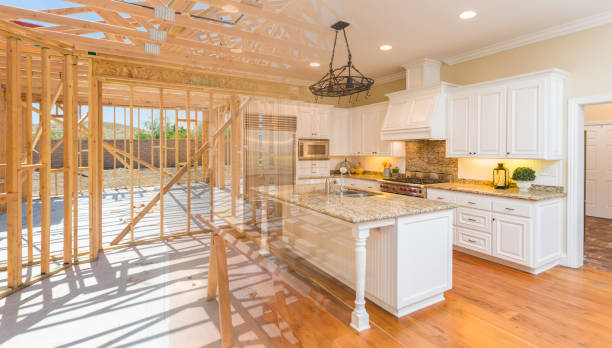
In an era defined by innovation and technological advancement, the concept of renovation has taken on a new dimension. Beyond just refurbishing walls and rearranging furniture, modern renovations are about embracing smart design to redefine spaces for enhanced functionality, efficiency, and aesthetics. Renovation Revelations” unveils the transformative power of smart design, offering a fresh perspective on redefining spaces and bringing to life your dream home makeover. This article delves into the world of renovation revelations, exploring how smart design can transform ordinary spaces into extraordinary showcases of innovation and style.
The Evolution of Renovation: Beyond Aesthetics
Traditionally, renovations have often focused on enhancing the visual appeal of a space. While aesthetics remain crucial, the modern approach to renovation extends beyond the surface. It’s about reimagining how we interact with our living and working environments. Smart design integrates technology, sustainability, and user-centric elements to create spaces that cater to our evolving needs.
Technology as the Cornerstone: Infusing Intelligence
One of the most striking aspects of smart design is its seamless integration of technology. Imagine walking into your home, and the lights automatically adjust to your preferred brightness. Or envision a kitchen where your appliances communicate with each other, making cooking a breeze. From smart thermostats that learn your temperature preferences to voice-activated home assistants that control various functions, technology has the power to elevate convenience and comfort to new heights.
Open Spaces, Fluid Living: Flexible Floor Plans
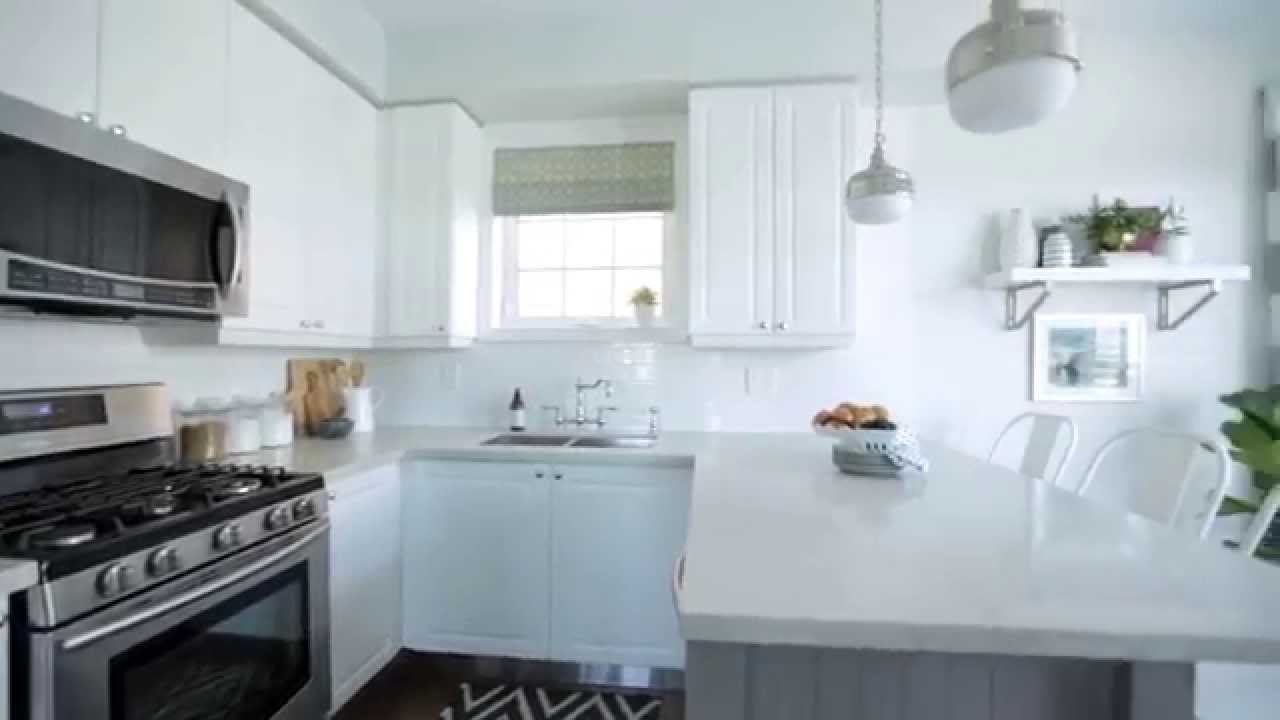
The conventional concept of distinct rooms with fixed functions is undergoing a transformation. In the process of renovating, discover the transformative impact of incorporating smart storage solutions, unlocking newfound functionality and organization within redefined spaces. Modern living calls for fluidity and adaptability. Open floor plans are a prime example of this evolution. By removing walls and barriers, open spaces create a sense of expansiveness, facilitate natural light distribution, and promote connectivity among family members or colleagues. Such layouts allow for seamless transitions between cooking, dining, and lounging areas, fostering a dynamic and interactive environment.
Dual-Purpose Design: Making Every Inch Count
In the realm of smart design, every inch of space is a valuable asset. Dual-purpose design capitalizes on this principle by imbuing furniture and fixtures with hidden functionalities. Think sofa beds that effortlessly convert a living room into a guest bedroom or coffee tables equipped with charging stations and storage compartments. This approach not only maximizes utility but also eliminates clutter, maintaining an uncluttered aesthetic.
Sustainability by Design: Eco-Friendly Innovations
As global consciousness about environmental sustainability grows, so does the emphasis on eco-friendly renovations. Smart design incorporates sustainable materials and energy-efficient technologies to create spaces that are both stylish and responsible. Solar panels, rainwater harvesting systems, and energy-efficient appliances are just a few examples of how modern renovations can reduce the carbon footprint while enhancing the overall quality of the space.
Invisible Design: Concealed Storage and Minimalism
The modern mantra of “less is more” has led to a rise in invisible design elements. Concealed storage solutions, such as built-in cabinets and hidden compartments, maintain a clean and minimalist aesthetic while ensuring ample space for storage. This approach not only keeps clutter at bay but also adds an air of sophistication to the design.
Color Psychology and Smart Lighting: Setting the Mood
Color has a profound impact on our emotions and behaviors, making it a vital aspect of smart design. By leveraging color psychology, renovation projects can strategically select hues that evoke desired feelings in different areas of the space. Paired with smart lighting systems that offer customizable color temperatures and intensity levels, spaces can transition from invigorating to relaxing with a simple command.
The Future is Now: Smart Homes and Beyond
Smart design is a precursor to the future of living spaces – smart homes. These intelligent ecosystems are designed to intuitively respond to occupants’ needs, making daily life more comfortable and efficient. From remotely controlling security systems and appliances to monitoring energy consumption and optimizing indoor air quality, smart homes epitomize the fusion of technology and design.
Crafting Your Smart Renovation Strategy
Embarking on a smart renovation journey requires careful planning and consideration. Begin by identifying the pain points in your current space and brainstorming how technology and innovative design can address them. Collaborating with architects, interior designers, and technology experts can help translate your ideas into practical solutions.
Moreover, don’t overlook the importance of aesthetics. Smart design seamlessly merges functionality with style, resulting in spaces that are not only intelligent but also visually appealing.
Conclusion
In the realm of modern renovations, the term “smart design” encapsulates a world of possibilities. It’s about harnessing technology’s potential to create spaces that adapt, learn, and enhance our daily experiences. From dynamic floor plans that encourage connection to eco-friendly solutions that respect our planet, smart design is a testament to human ingenuity and creativity. As we continue to evolve, our living spaces are transforming alongside us – redefining the very essence of what it means to call a place “home.”
Leave a Reply